
Three industries. Two genders. One truth: the pressed top and the perfect denim have replaced the suit as the universal language of people who know what they're doing.
Something shifted. It didn't happen overnight, and it didn't happen the same way in every city or every office, but somewhere between the pandemic blowing up every dress code that ever existed and the rise of the 10pm Slack message making the 9-to-5 a nostalgic fiction, the rules around how we dress for work got completely rewritten. Not abolished. Rewritten.
The new code is subtler than the old one. It's less about suits and more about fit. Less about formality and more about intention. And it's no longer written differently for men than it is for women. Both are navigating the same three-industry triangle: finance, tech, and entertainment. Three worlds with three distinct gravitational pulls on how you present yourself. And one garment, a beautifully pressed cotton top paired with the right denim, sits at the center of all three.
The Three Worlds
Finance still has the heaviest institutional gravity of the three. Unwritten rules govern all kinds of white-collar offices, but nowhere do they carry more weight than on Wall Street and its satellite cities. For men, it's the strict grammar of notch lapels, button cuffs, and belt loops rather than peak lapels, French cuffs, and side adjusters. For women, it's the equally rigid calculus of how much color is too much, how high a heel reads as confident versus inappropriate, whether the blazer is fitted enough to be serious but not so fitted it becomes a conversation. Both are managed performances. Both require knowing the room before you get dressed for it.
No peacocking. No flash. No conspicuous consumption. You risk breaking the finance code by daring to deviate from the norm, whether you're a woman in a trading desk meeting navigating whether a silk blouse in a non-neutral color crosses a line, or a man who showed up in a suit that fits slightly too well for his seniority level.
Tech dismantled formality and replaced it with something arguably more demanding: the performance of not caring, executed with enormous care. The San Francisco uniform, hoodie, dark jeans, clean sneakers, looks effortless because billions of dollars worth of company culture have been invested in making it look effortless. Women in tech got a version of the same memo: blazer over a tee, clean trousers or well-cut jeans, maybe a sneaker, definitely not a heel that suggests you're trying too hard. The goal in tech is intellectual credibility, projected through studied nonchalance. Style exists here, but it has to appear accidental.
Entertainment is the opposite of accidental. A showrunner in LA, a music executive in New York, a creative director at a label, a talent manager in West Hollywood: these people dress with intention that they want you to notice. The fit is a statement. The provenance of the piece matters. A woman in entertainment who arrives in something handmade, something aged, something with a story is saying: I have taste, and taste is my actual job. A man in carefully worn selvedge jeans and an artisan-made vest is saying the same thing. Standing out is not an error in this world. It is the assignment.
Where They Converge: The Pressed Cotton Top
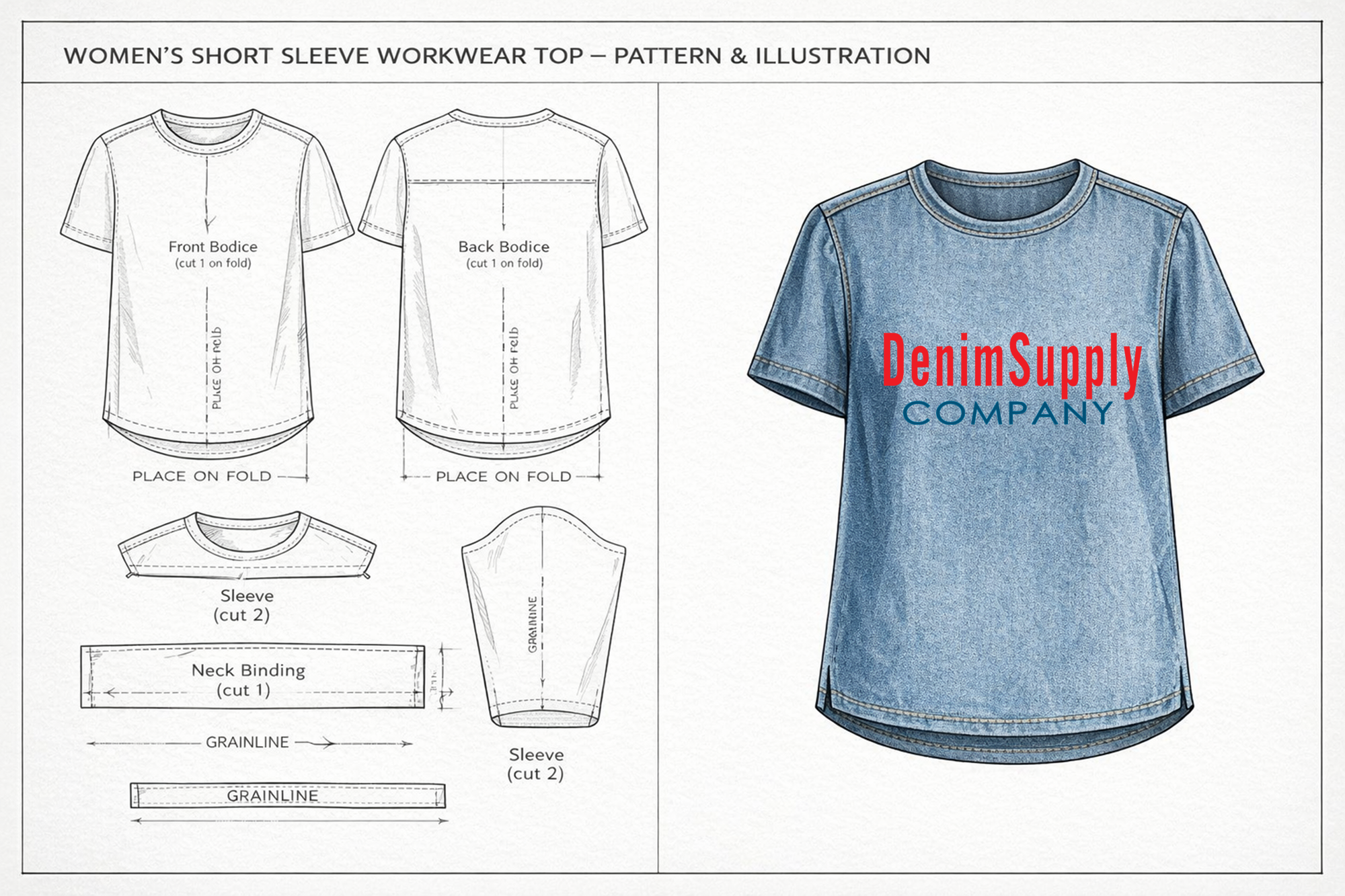
Here is what's genuinely new about 2025 dressing across all three worlds, for both women and men: the pivot to pressed cotton as the great equalizer. Not the stiff, uncomfortable cotton of an old office shirt that needed professional laundering twice a week. The new pressed cotton is different: a fabric that looks intentional and put-together, reads as polished from a distance, but lives in the body the way casual clothes do. Crisp without being corporate. Clean without being cold.
For women, this plays out across multiple silhouettes that all work in the same room. A pressed cotton oversized shirt, slightly tucked, worn over wide-leg denim: that's a finance-adjacent look on casual days, an entertainment look on busy ones, and a tech look at every pitch meeting in between. A pressed cotton fitted tee under a tailored blazer with cropped denim goes from a morning call to an afternoon creative meeting to dinner without a wardrobe change. The cotton top is doing the professional signaling while the bottom half has the freedom to move toward wherever the day is actually going.
For men, the pressed cotton shirt, not a dress shirt, not a flannel, something in between, tucked loosely into clean dark jeans or left half-open over a tee is the 2025 equivalent of business casual for the non-9-to-5 world. It acknowledges that you have somewhere to be and something to say. It doesn't pretend you work in 1987.
The pressed top solves the core problem of modern professional dressing across finance, tech, and entertainment: the day doesn't have a single register anymore. You're moving from a morning video call to a lunch meeting to a coffee with a creative partner to an early evening event to a dinner where someone important might be sitting across from you. The pressed cotton top is stable across all of those. The denim is what takes it anywhere.
The Denim: Where The Real Story Lives
Finance is loosening. Tech was always loose. Entertainment has always treated denim as a primary language. The crossover world that most working people actually inhabit, the creative professional, the startup operator, the woman who works in media and sometimes sits across from bankers, needs denim that can handle all of it.
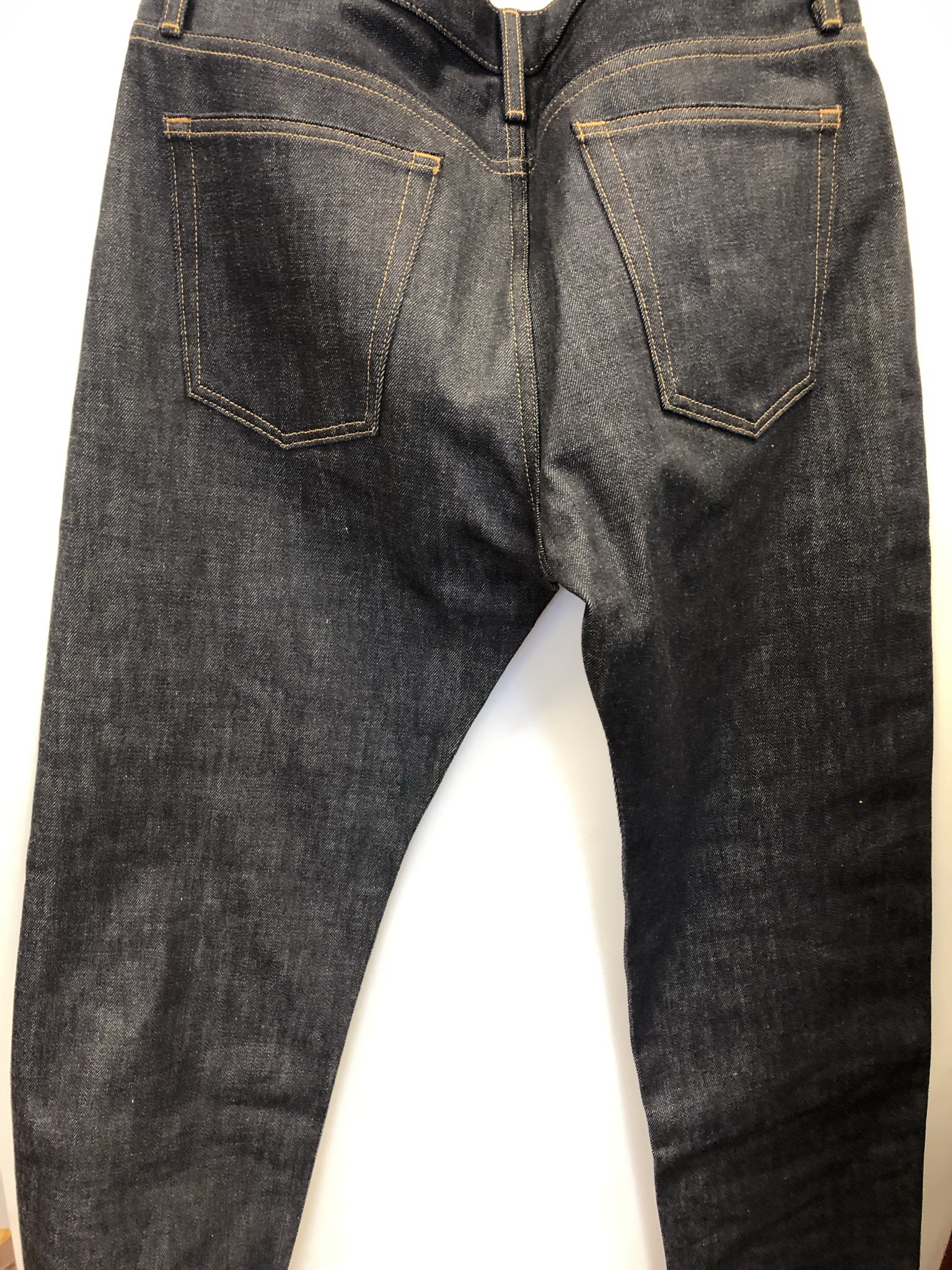
The denim that works in this moment is not fashion denim. It's not fast fashion denim. It's denim with integrity: real cotton that breathes, fits, and does something interesting over time instead of looking exactly the same in month twelve as it did on the day you bought it.
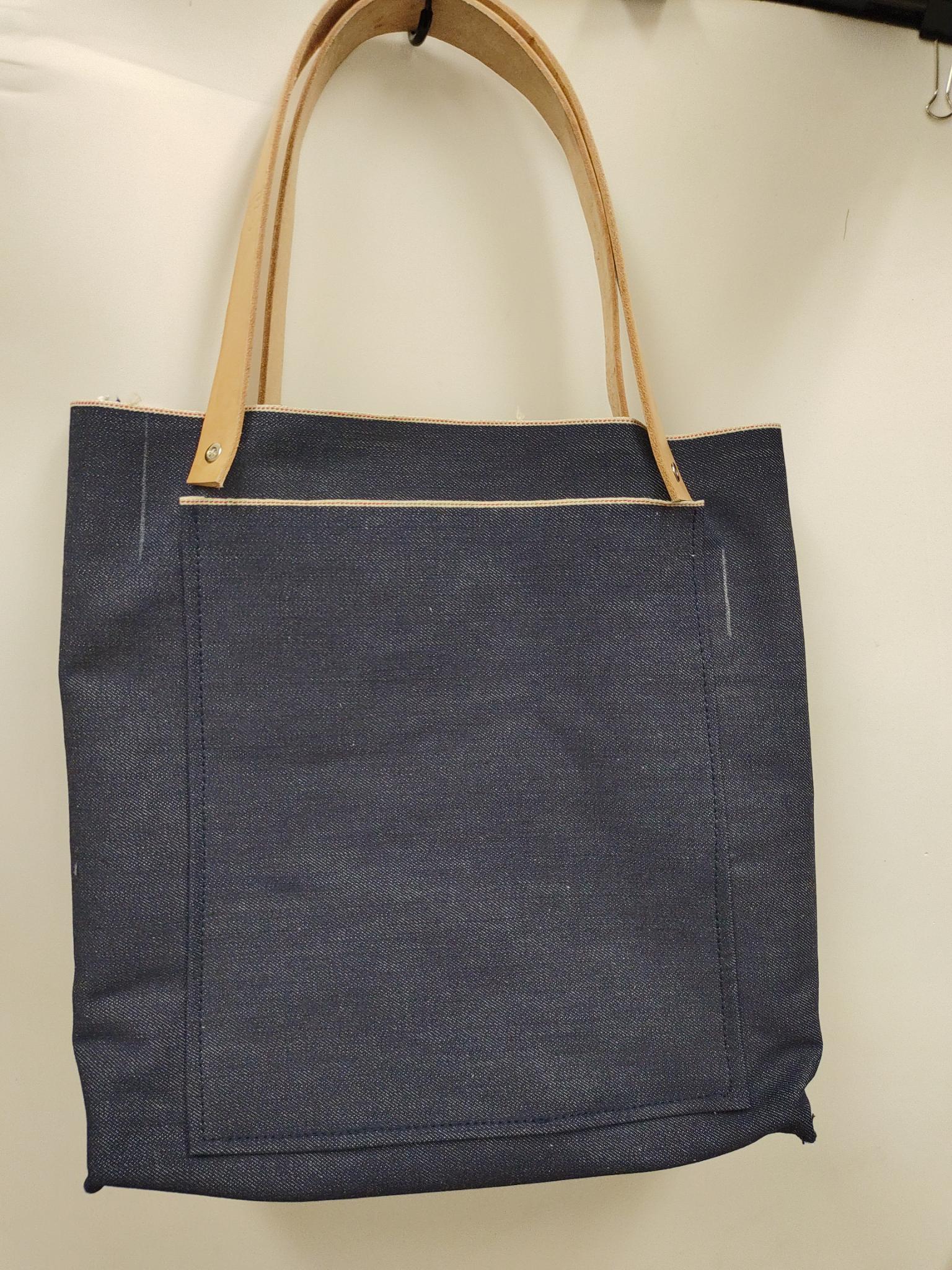
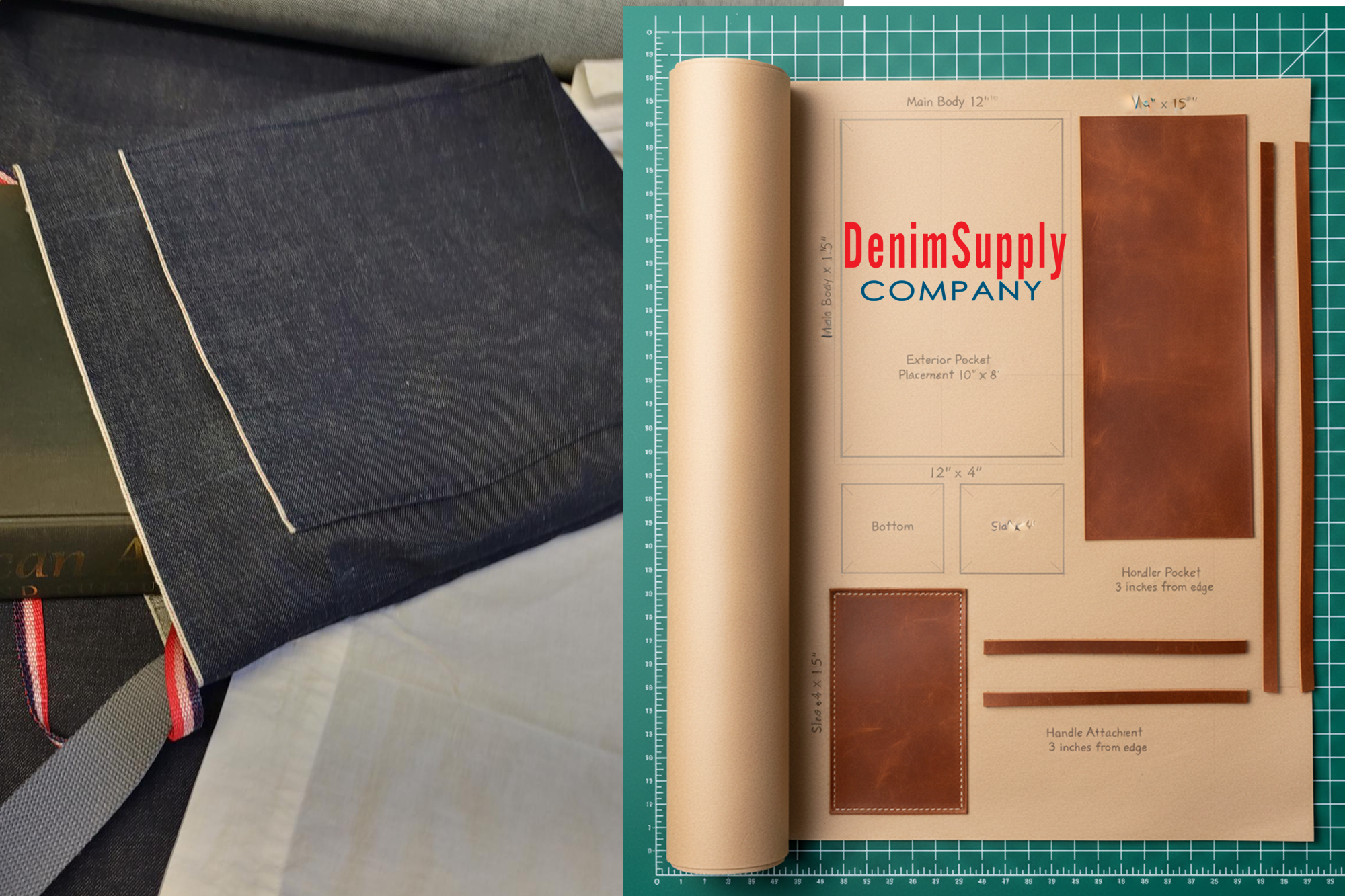
This is the philosophy behind DenimCraftVibes, a Santa Monica and Los Angeles denim craft brand building the kind of real cotton denim this cultural moment was waiting for. For both women and men, the offering is the same: small-batch selvedge denim that gets better with age. Natural fraying. Honest wear marks that accumulate from actual life rather than artificial distressing. Jeans that belong to the person wearing them because they've become that person's jeans through wear.
Pair them with a pressed cotton top and you have an OOTD fit that navigates finance's casual moments, tech's everyday register, and entertainment's anything-goes creative environment with equal confidence. The denim grounds the outfit, absorbs the personality of its owner, and gets more interesting the more it's worn.
For women, these jeans pair naturally with everything from a structured cotton blazer to an oversized cotton button-down knotted at the waist to a simple cotton rib tee under a zip-up. The silhouette stays consistent. The styling shifts. One pair of jeans, genuinely three different conversations.
For men, the same principle holds. Dark selvedge with a pressed blue oxford: finance casual Friday and no one blinks. The same jeans with a vintage-washed tee and the made-in-LA selvedge vest from DenimCraftVibes, produced one at a time on a cast-iron 1920s machine, and you're in full entertainment-creative mode. The vest alone is a conversation piece: genuinely handmade, genuinely slow, genuinely unrepeatable.
The Non-9-To-5 Reality
Most people reading this don't work a traditional 8-to-5 anymore. The boundaries between working hours and living hours are permeable in ways they never were before. You might be on a call at 7am and at a gallery opening at 7pm. You might take a meeting at a coffee shop at 10am, answer emails from a park at 2pm, and end up at a dinner table across from someone who matters at 8pm.
Getting dressed for that day used to require multiple outfit changes or the resigned acceptance that you'd look either overdressed or underdressed in half of those situations. The pressed cotton top plus quality denim formula collapses that problem. The pressed top says: I'm taking this seriously. The denim says: I live in the real world and I'm comfortable in it. Together they say something finance, tech, entertainment, and every space in between respect: I know who I am and I dress like it.
That's the fit. That's the code for the world we're actually in. And if the denim is getting better with every wear, natural fraying at the hem, the indigo fading exactly where your body bends, then you're not just dressing for today. You're building a wardrobe that has a story. One that started somewhere real and gets more interesting with time.